As part of our ESG Unlocked series, we’re excited to welcome Daniel Reiner, Managing Director at Bryson, a leader in the supply of safety, fixings, and protection products for the construction industry. Over the past 12 months, BayNel has been working closely with Bryson to strengthen and embed ESG and Sustainability at the core of their business strategy—building on their successes and driving real impact.
As a family-owned business, we’ve always been passionate about doing business in the right way. It’s central to our brand promise of providing our customers with smarter, faster and greener solutions. As we look at the year ahead and beyond, we see ESG as an ever-increasing priority for our customers and so it’s essential that we continue to build on our 3P strategy, that we launched in 2019 and continue to integrate ESG in everything we do.
-
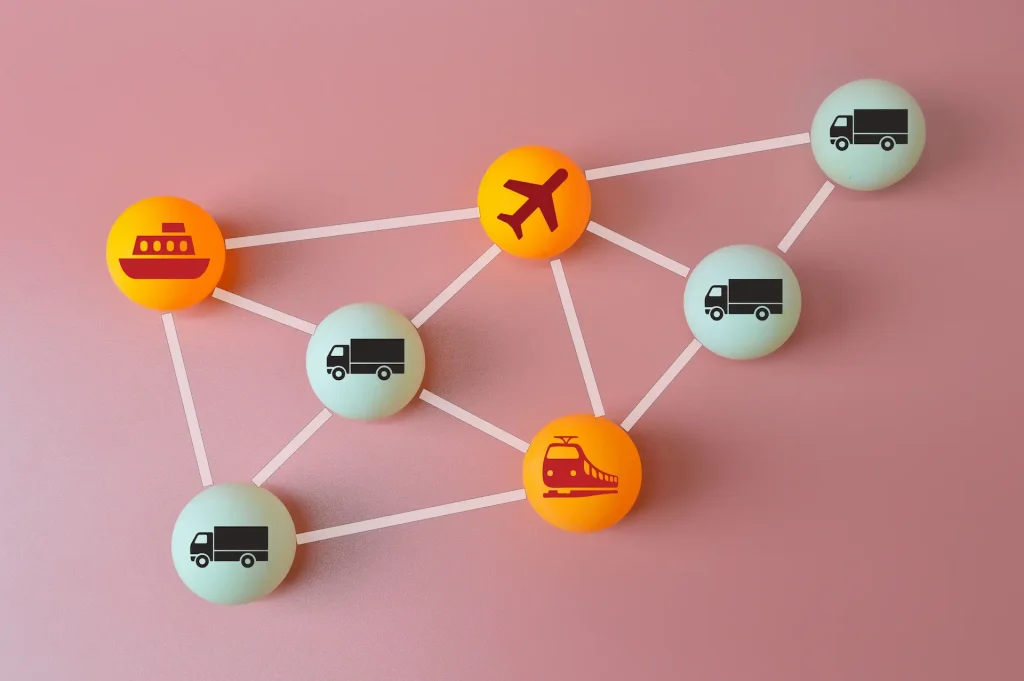
Sustainable Supply Chains – We are working closely with suppliers to ensure they meet stringent environmental and ethical standards, helping us reduce carbon footprints and support responsible production practices.
-
Carbon Reduction Initiatives – We continue to focus on reducing our operational emissions through improved logistics, energy-efficient practices, and investments in greener technology.
-
Data and Technology– we believe that the power of data and technology will be key to delivering a low carbon PPE supply chain, we continue to build on the Bryson Base ™ to ensure that it provides our customers with a single platform for ordering and reporting
-
Social Value – We’re proud of the social value we create through our core programmes and social value funds. This is a key area of focus for our colleagues, customers, and the communities we serve. As a family-owned business, it remains central to our values
Another exciting opportunity is strengthening our circular economy initiatives—ensuring products are designed with longevity and recyclability in mind. By embracing a “reduce, reuse, recycle” mindset, we can help drive more sustainable practices across the construction and trade industries.
What advice would you have for SMEs thinking about their ESG strategy in 2025?
-
Assess – Take stock of where your business has the most significant environmental and social impact. Look at your supply chain, operations, and energy use to identify key areas for improvement.
-
Act – Set clear, achievable goals and start implementing sustainable changes. Engage your team, customers, and suppliers to drive meaningful action across your business.
-
Adapt – ESG is an ongoing journey. Track your progress, learn from challenges, and refine your approach as you go. Transparency and continuous improvement are key to making a lasting impact.